A cycle route exploring the Fourasine Peninsula.
Jutting out towards the ocean, the peninsula once served as a defensive stronghold for the Charente estuary. It has capitalised on this prime coastal location to develop further attractions, making it today a renowned destination known for its
seaside resorts, oyster farming and natural beauty.
Construction updates:
The Pointe de la Fumée area is undergoing a major development and landscape regeneration programme, scheduled to last five...
A cycle route exploring the Fourasine Peninsula.
Jutting out towards the ocean, the peninsula once served as a defensive stronghold for the Charente estuary. It has capitalised on this prime coastal location to develop further attractions, making it today a renowned destination known for its
seaside resorts, oyster farming and natural beauty.
Construction updates:
The Pointe de la Fumée area is undergoing a major development and landscape regeneration programme, scheduled to last five years. During this period, access and traffic flow may be disrupted; we advise against using this section, as it is less suitable for cyclists. You can turn off at the Redoute de l'Aiguille fort by taking either Avenue du Bois Vert or Avenue du 11 Novembre, depending on which direction you are travelling in.
GPX / KML files allow you to export the trail of your hike to your GPS (or other navigation tool)
See all reviews
Points of interest
1Vauban fort or semaphore
2Les Salons du Parc
3The Aiguille redoubt
4The northern beach and the seaside villas
1Vauban fort or semaphore
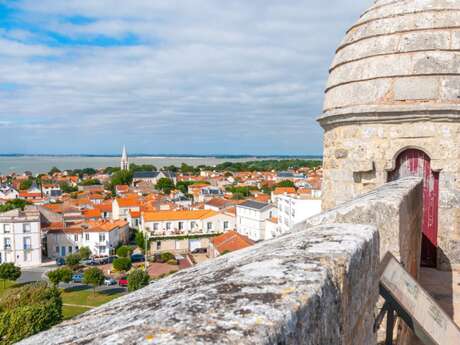
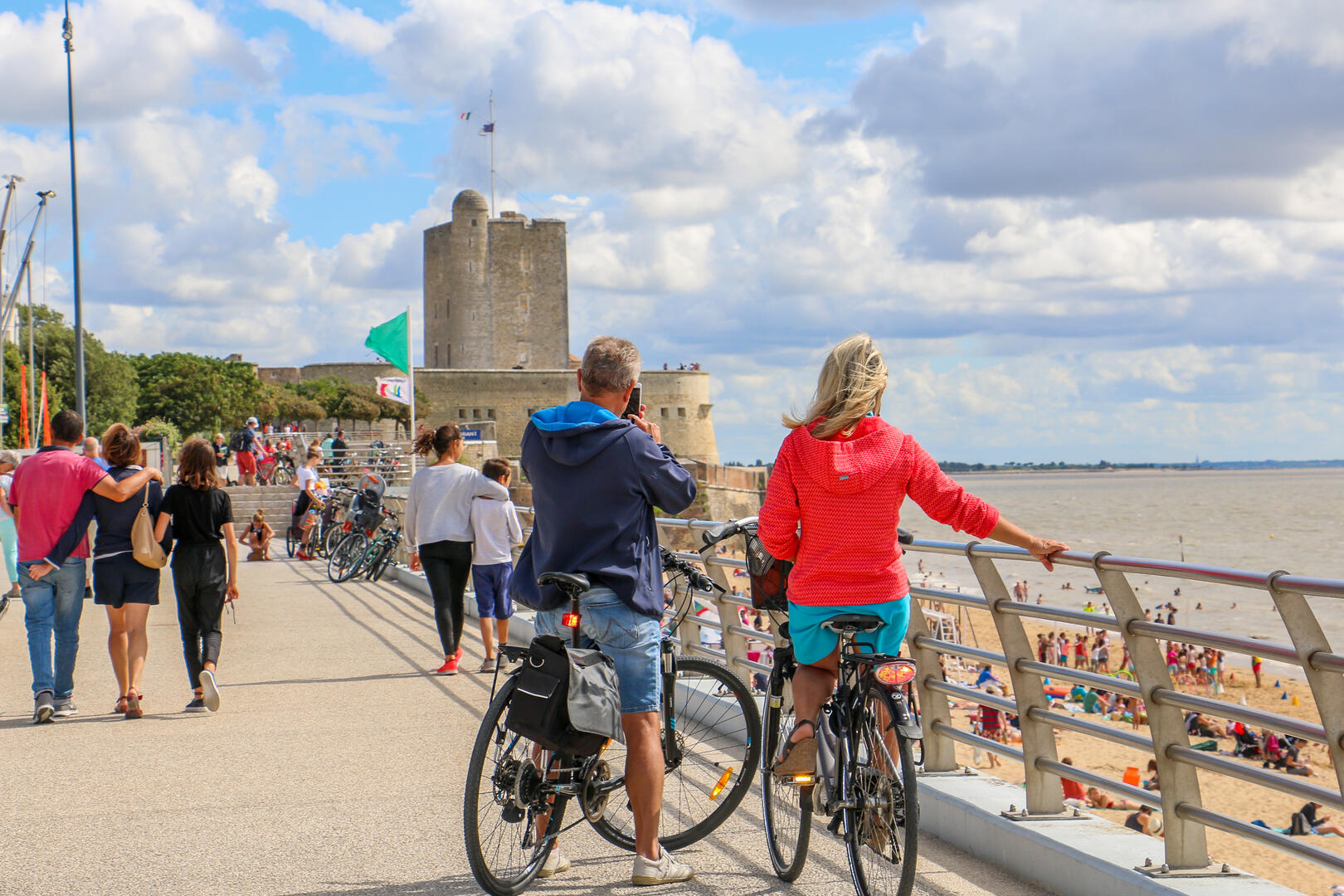
As early as the 11th century, the castle of Fouras was erected to control the Charente estuary and to institute a toll. The creation of the Rochefort Arsenal in 1666 made it a key part of the defence system for the approaches to the Charente, whose entry it prohibited. At the end of the 17th century, François Ferry, King Louis XIV's engineer, transformed the former feudal residence into a "fort at sea". Today it is a listed building and houses a museum of regional history.
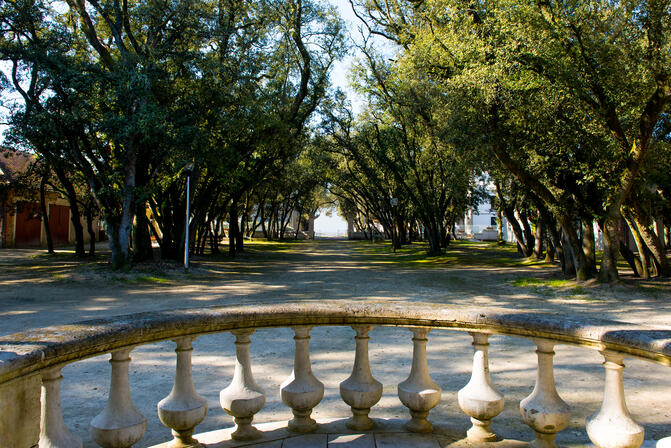
Located in the Bois Vert and built in 1870, this house was used as a convalescent home for the war wounded between 1914 and 1916. Bought by the municipality in 1946, the building became a famous hotel before it was closed in 1975.
Today, it is a seminar and festival centre.
3The Aiguille redoubt
This fort was built in the second half of the 17th century. Its purpose was to protect against a possible attack by enemy ships. Today it is a listed monument and belongs to the municipality of Fouras.
4The northern beach and the seaside villas
Since 1850, Fouras has been famous for its sea baths. They are taken directly in the ocean or inside thermal establishments. The seaside villas and small holiday homes bear witness to this craze, encouraged by the installation of a casino and the arrival of the railway in 1882.